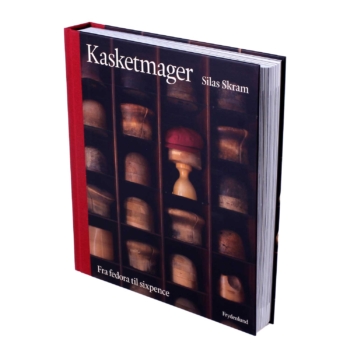
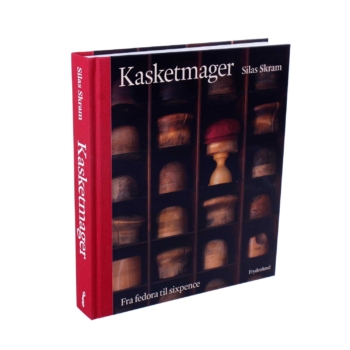
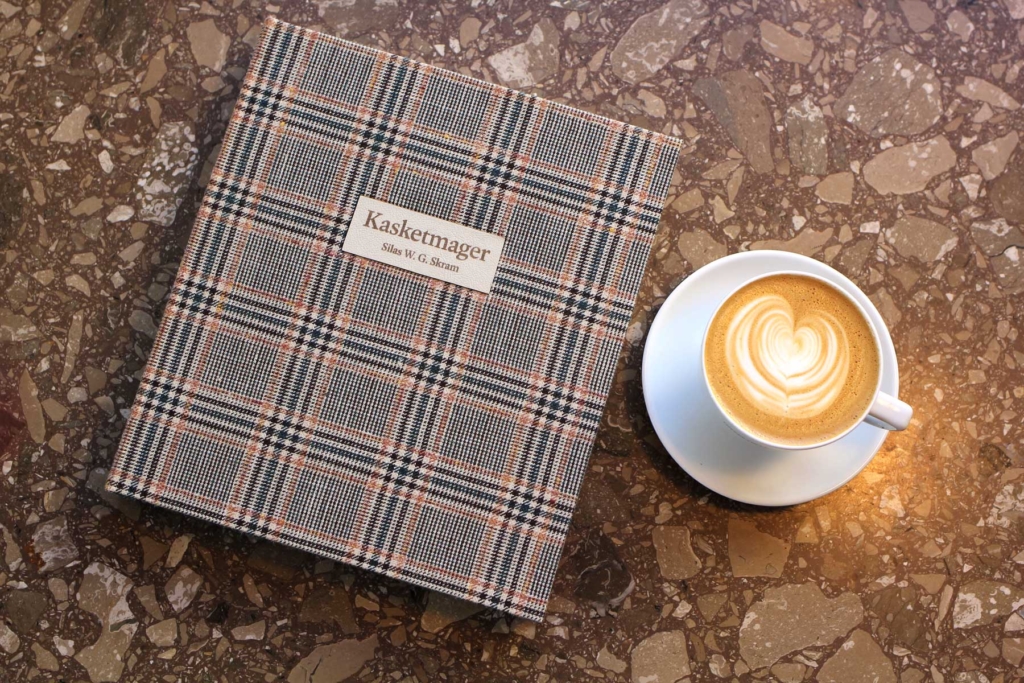
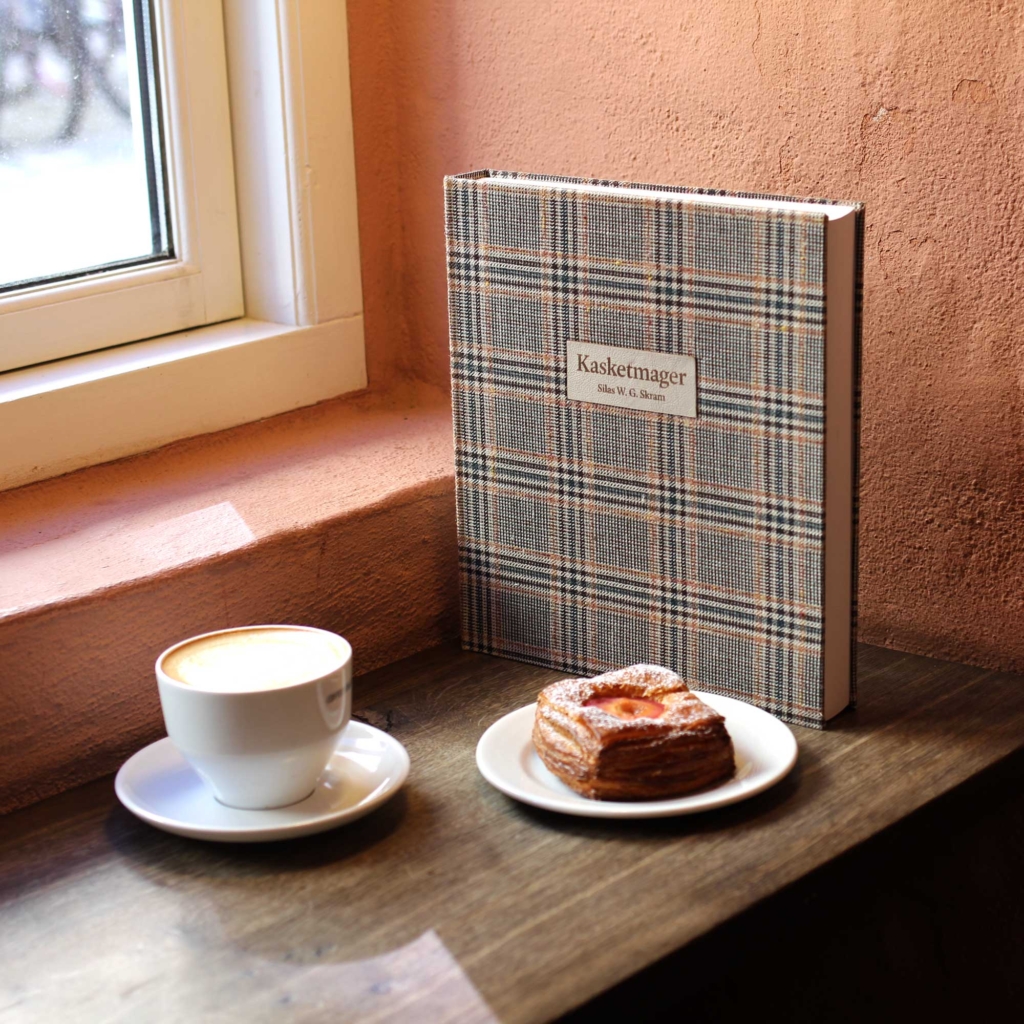
The book *Kasketmager* is about craftsmanship, hat culture, and headwear. It features historical accounts and images on the subject, as well as contemporary figures in an almost forgotten industry. A powerful combination of original texts and photos mixed with archival images, along with collaborations with external photographers, artists, and journalists.
The book offers a unique glimpse into the world in which Wilgart works.
People from across the hat industry
On this page, you can learn more about some of the people who also appear in the book. Through vivid images, the content here complements the book’s written text and printed photos. Among others, the following people appear in the book:
- Torsten Grunwald
- Henrik Vibskov
- Suzanne Brøgger
- Andersen & Berner, Hatsmakers
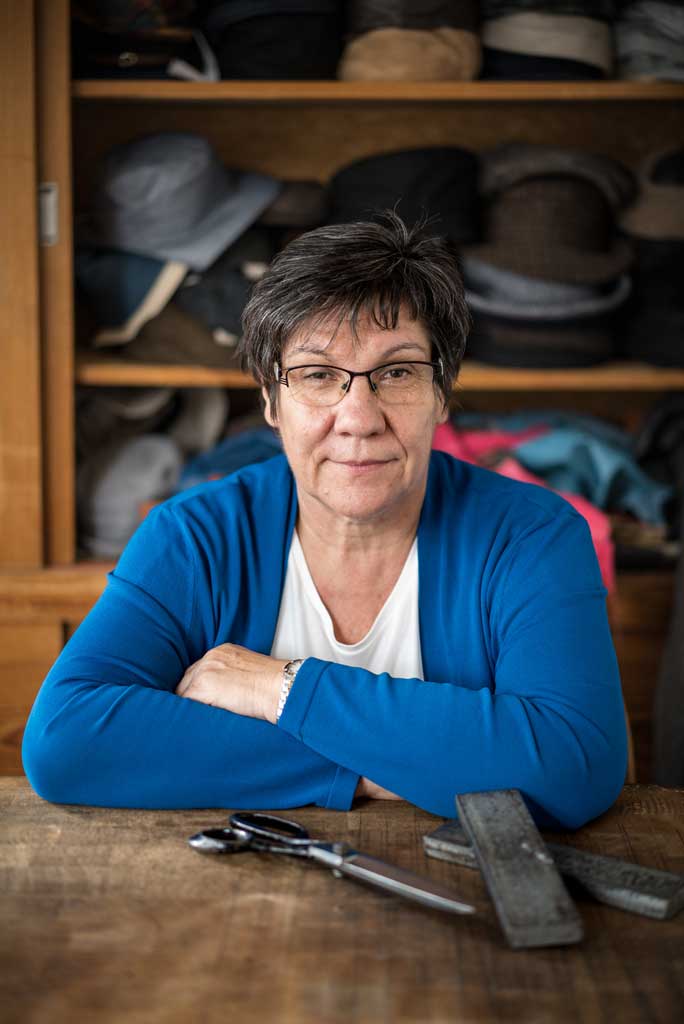
- Milliner Frida Barfod
- Serdar, Sewing Machine Mechanic
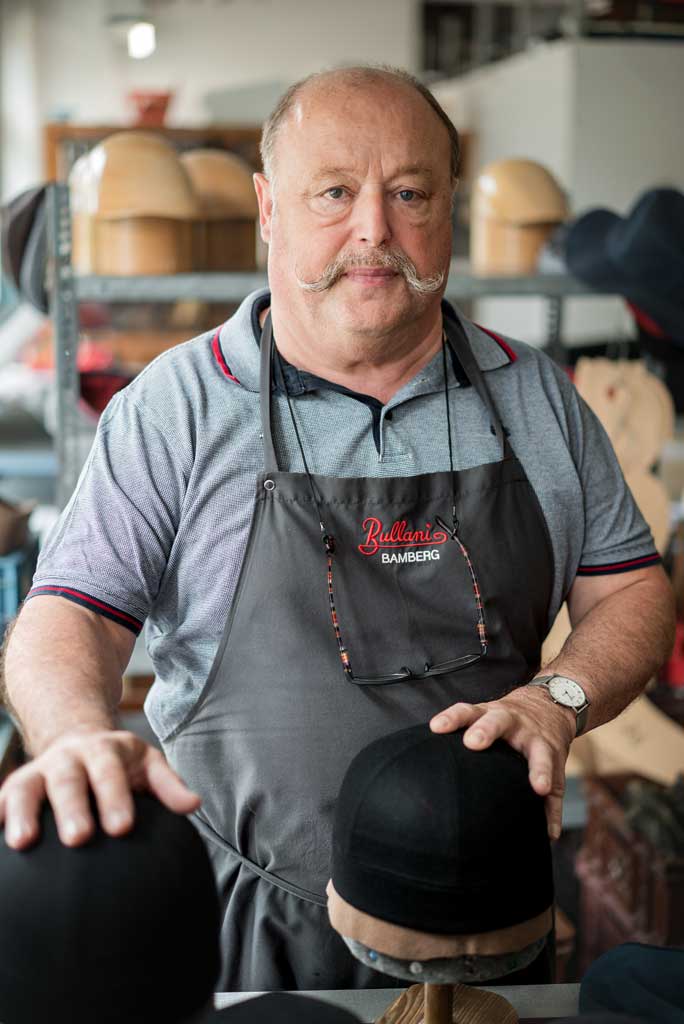
- Cap Maker Bullmann
- Rina Hansen, Rhanders
- Mehler Tuchfabrik Textile Weaving Mill
- Schürmann Schröder Textile Weavers
- Cap Maker C.t.H. Erichson
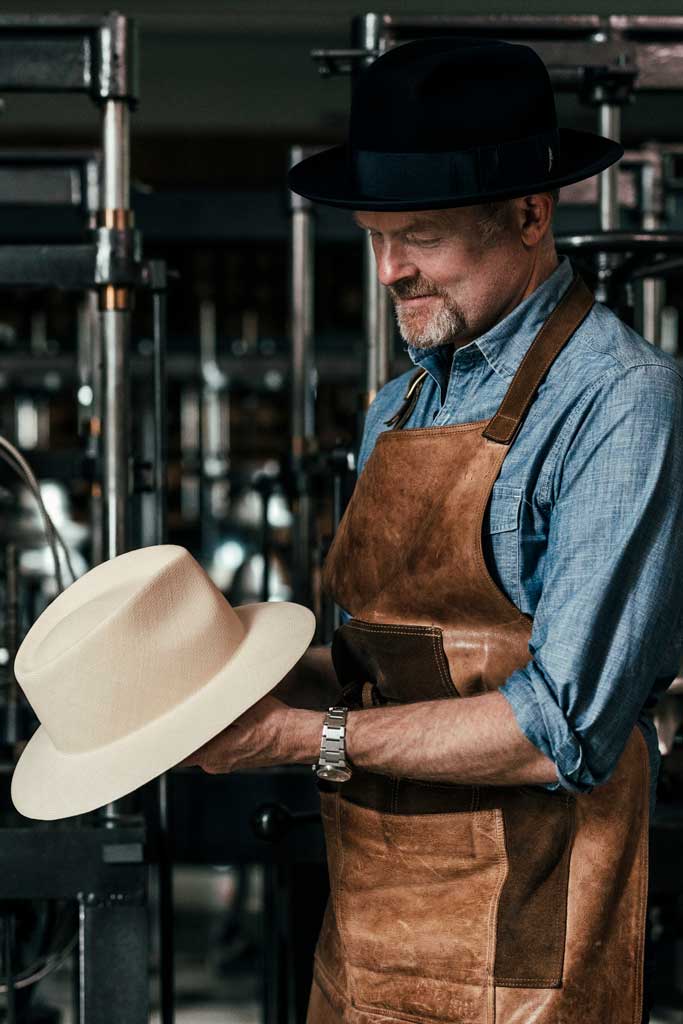
- Hatmaker Graham Thompson
Håndlavet Dansk Hovedbeklædning
Kasketværkstedet på Nørrebro, 2022
Bogens sektion fremtid
Uddrag om fremtiden for hovedbeklædning (side 244 – 304)
In the chapter “The Future” from the book *Kasketmager*, I’ve spoken with a number of players who are helping to steer the hat in a new and exciting direction. Some take an avant-garde, first-mover approach, while others have a backward-looking, conservative attitude. Perhaps the headwear of the future lies hidden in the past’s approach to quality and craftsmanship. To be completely honest—with my hat on the table, so to speak—this chapter will bring a smile to the lips of even the most conservative hat wearer.
When Vibskov sets out to design headwear, he has to create something that isn’t traditional, because there’s plenty of that out there. (2021)
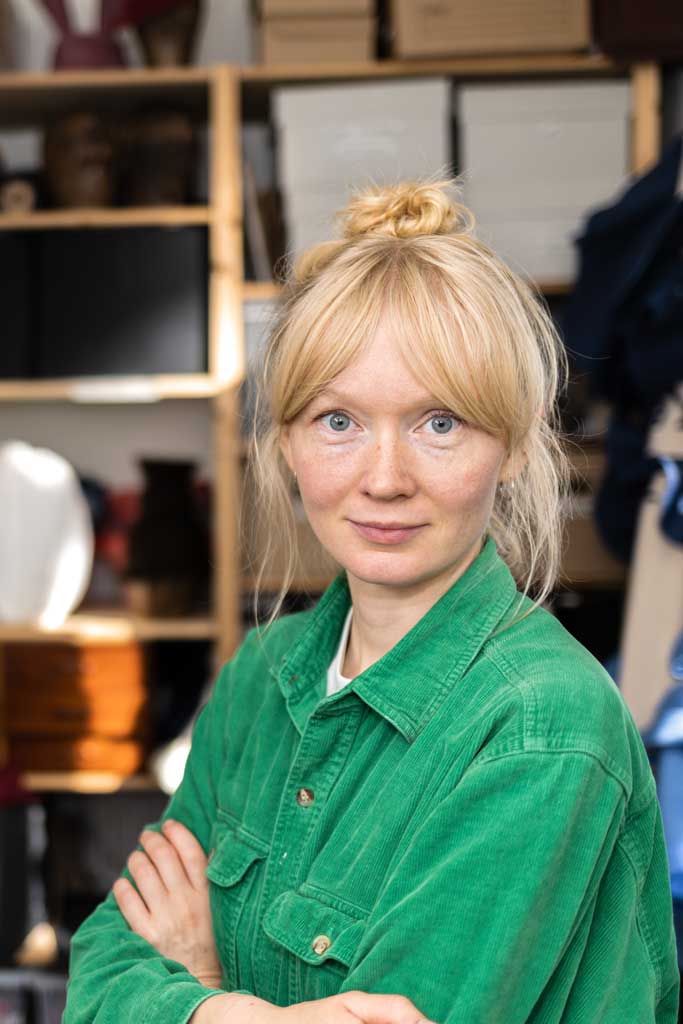
Frida’s creations are well-suited for stage performances, theater productions, and exhibitions, but may seem a bit impractical for everyday headwear needs. (2022)

A large-format book with lots of pictures,
poems,
articles,
interesting stories,
“behind-the-scenes” photos,
Cap-making in practice,
Here’s how to wear your hat,
Cap Style Stories
materials science,
hat geekery,
Inspiration and knowledge from a long career in the hat-making trade.
Bogens sektion håndværk
Uddrag om hatte- og kaskethåndværkets aktører (side 66 – 144)
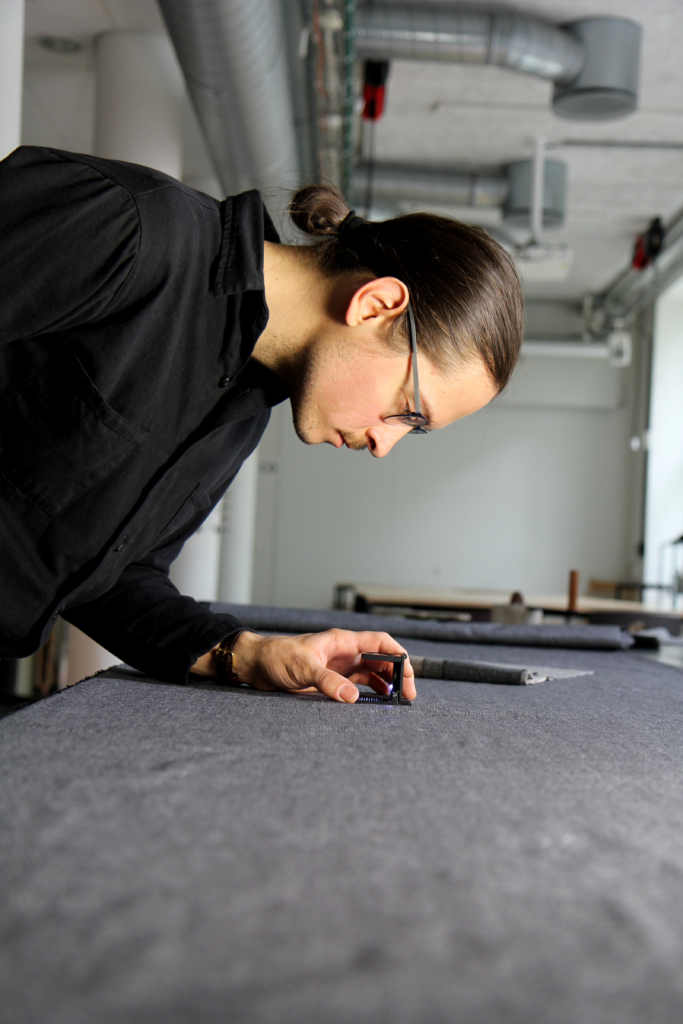
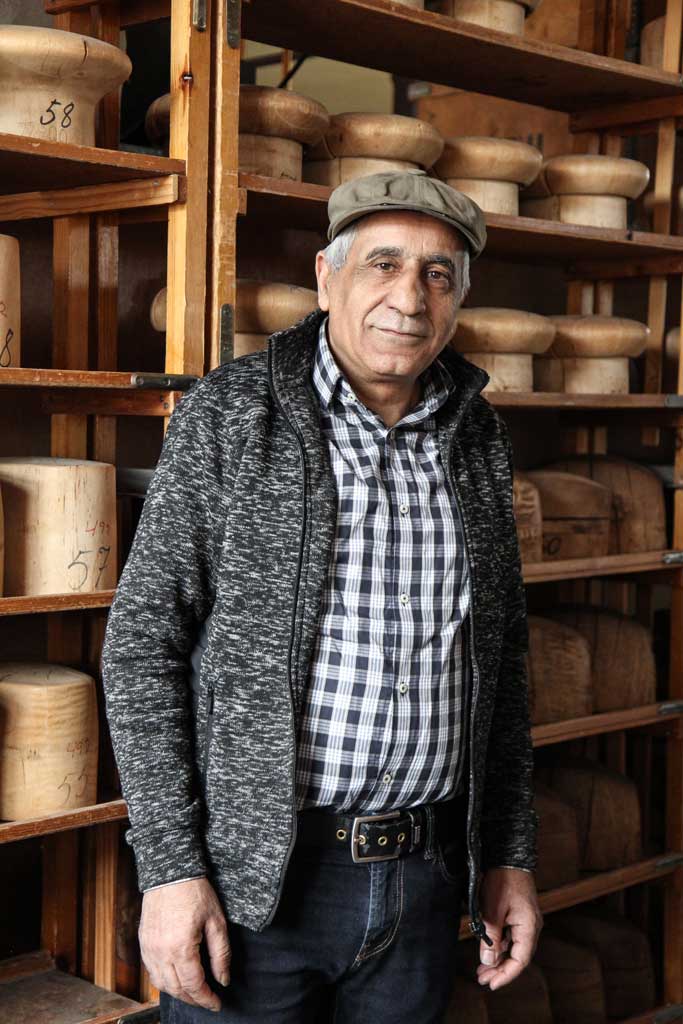
As a modern craftsman, one strives to combine precision with speed. These two conflicting goals define a person who is skilled with their hands. Thoroughness and a certain kind of dedication also characterize good craftsmanship. One crafts one’s products without compromise. When it comes to making a cap, craftsmanship really comes into its own and separates the wheat from the chaff.
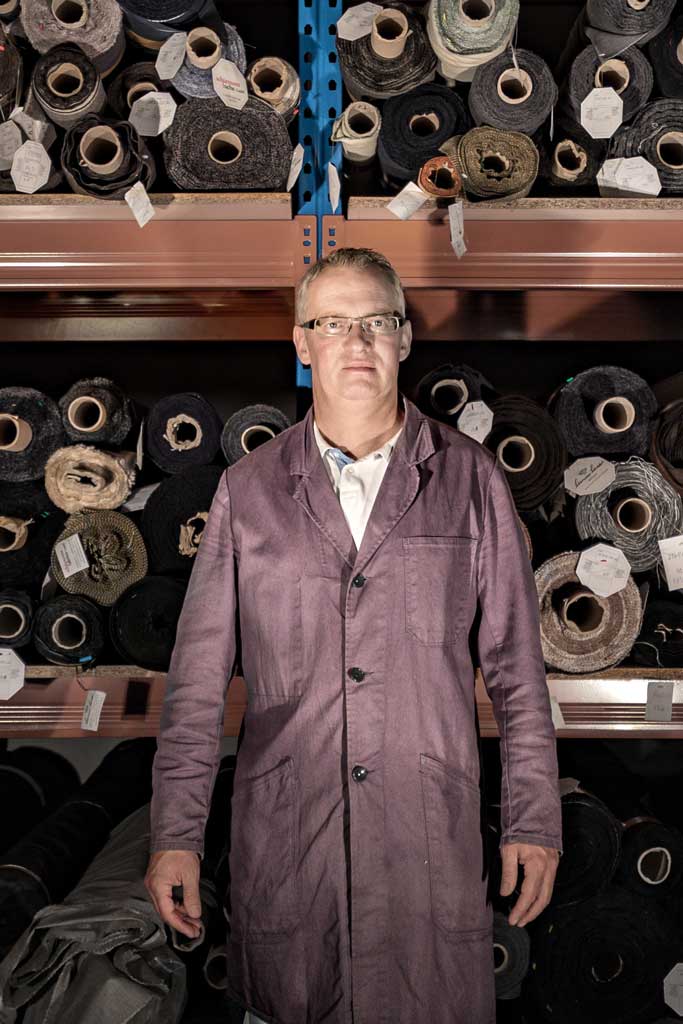
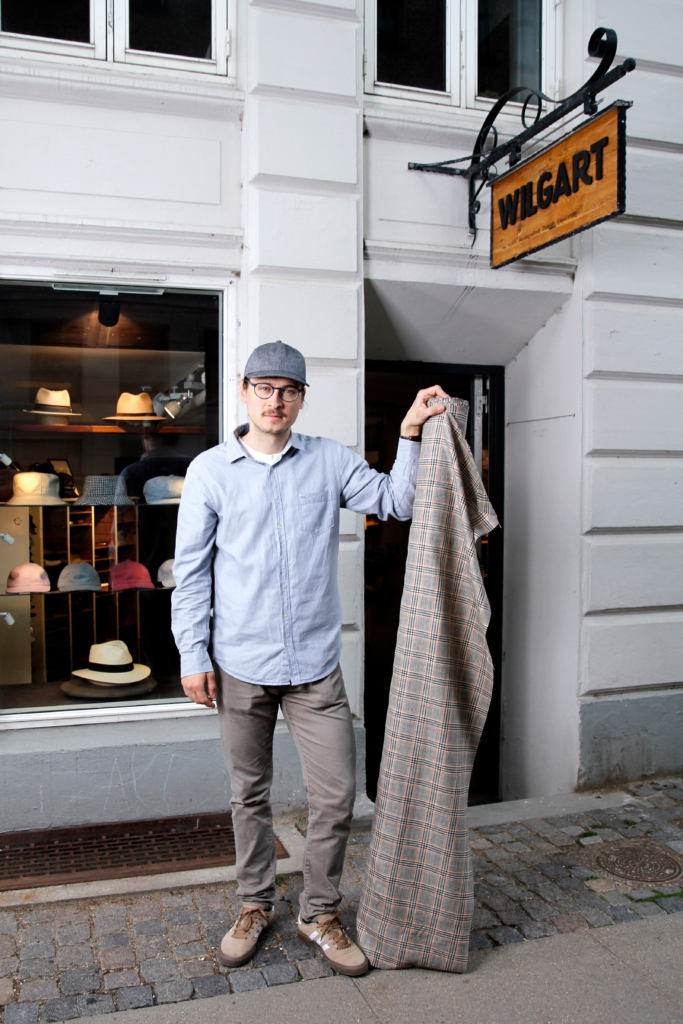
Good taste and beautiful fabric are a matter of personality. That is the view of one of Germany’s four apparel textile mills. (2022)
Mr. Serdar believes that understanding sewing machines is an art in itself. The true innovations came with the mechanics themselves and later, when sewing machines became motorized. (2021)
Meet Maximillian Mehler, the 12th generation of the Mehler family at the German textile mill, which dates all the way back to 1644. See how wool fibers are transformed into premium loden fabric. (2021)
Nyheder fra hattefronten
Mød mange forskelligartede aktører i hattebranchen
The book features a diverse array of people for whom hat-making is a living craft. The pages are filled with anecdotes and insights into the lives of hatmakers, craft enthusiasts, cultural figures, and fashion designers. “Kasketmager” is an aesthetic scrapbook about design, craftsmanship, and lifestyle. It’s a reference guide with everything you need to know and all the latest trends in headwear. Gain insight into the world of hats, seen from the inside of a hat shop in Nørrebro.


People who work with hats
Who is actually keeping the hat industry going, and what do these people think about their position? What does the future hold, and why are hats and caps still relevant today? Read more about this in the book *Kasketmager*.
Historiske kasketter
Lær alt om de forskellige modeller
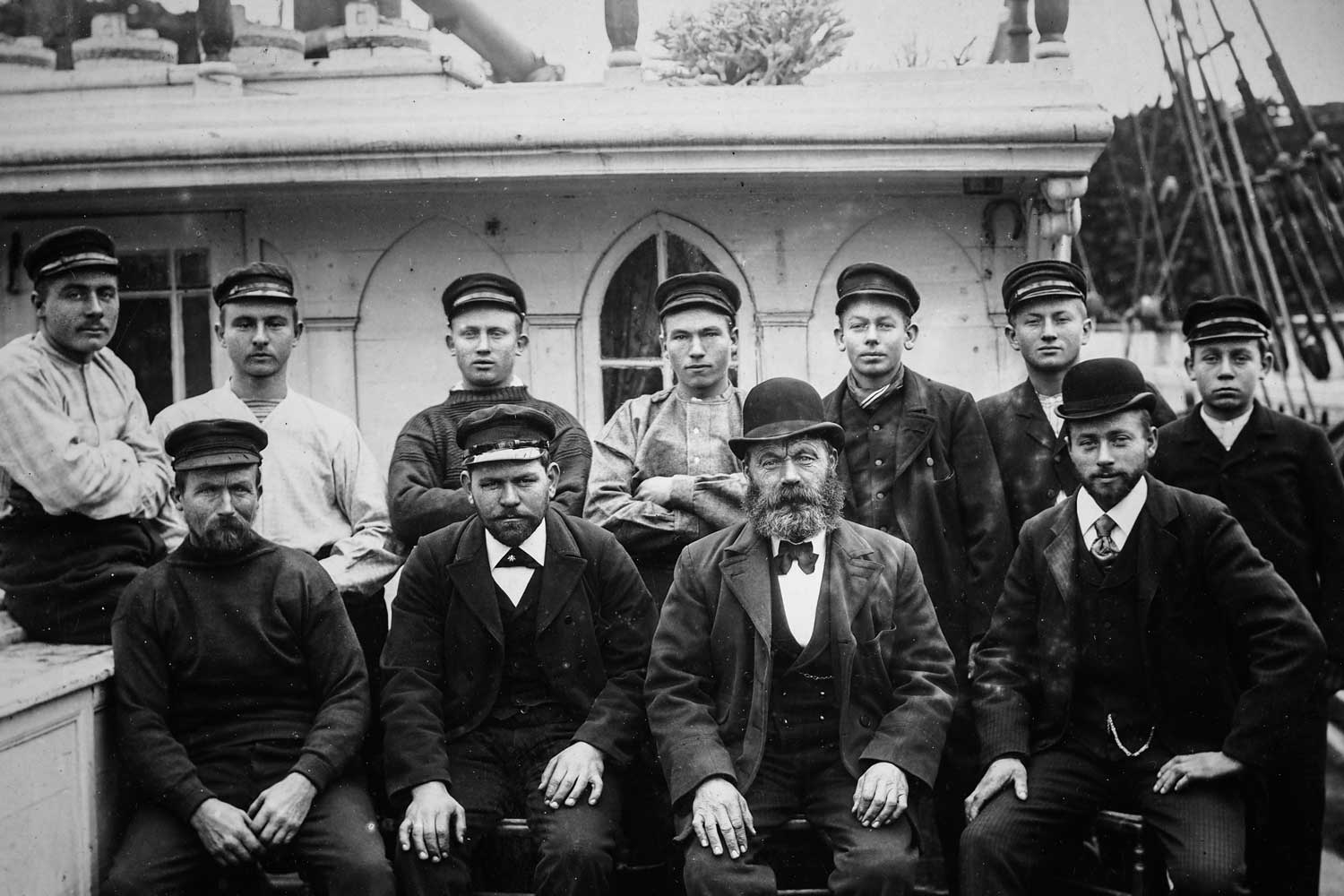
The book provides a thorough overview of cap styles: the flatcap, baseball cap, sailor cap, eight-piece cap, fedora, one-piece crown, captain’s cap, and patrol cap. Read in the book about where the styles originated, who wore them, and why they’re popular today.
Bornholms Ø-Arkiv nr. 2013-30/1© 2026
Fibre nørderi
Læs om forskellen på hør, silke uld og cashmere
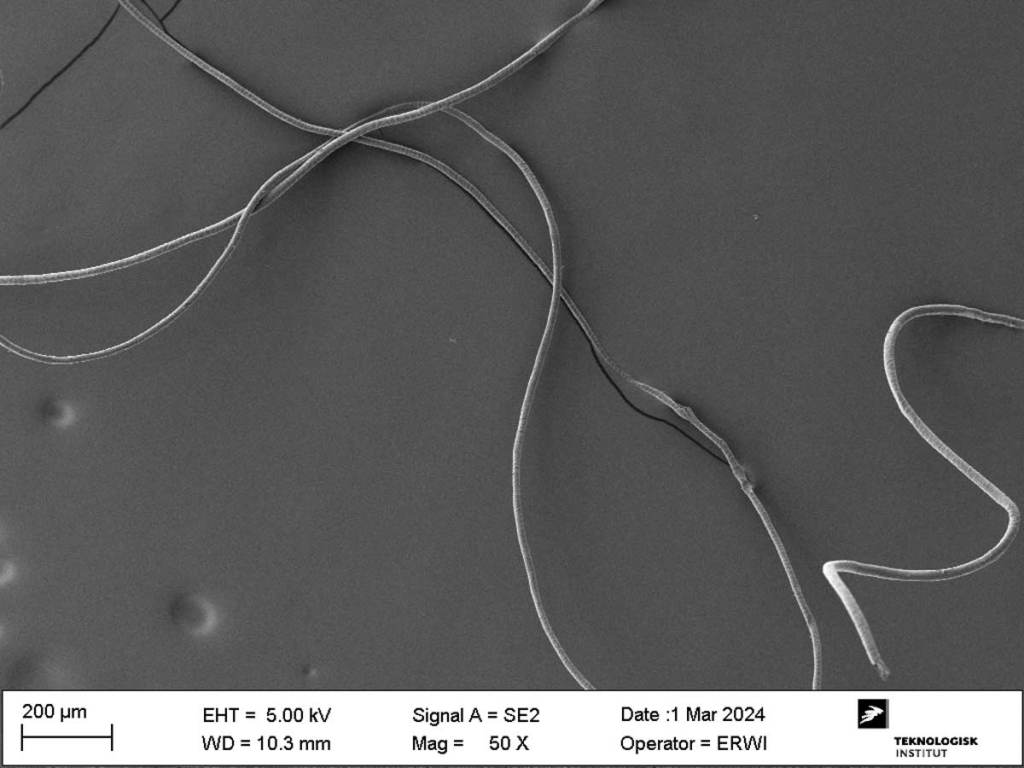
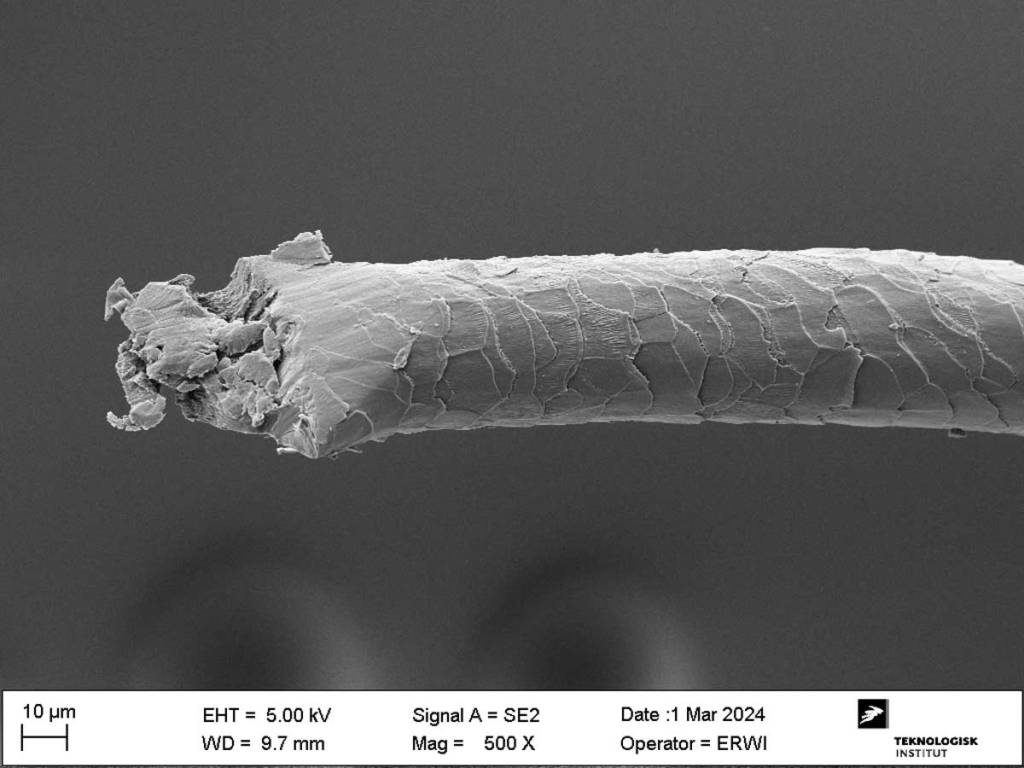
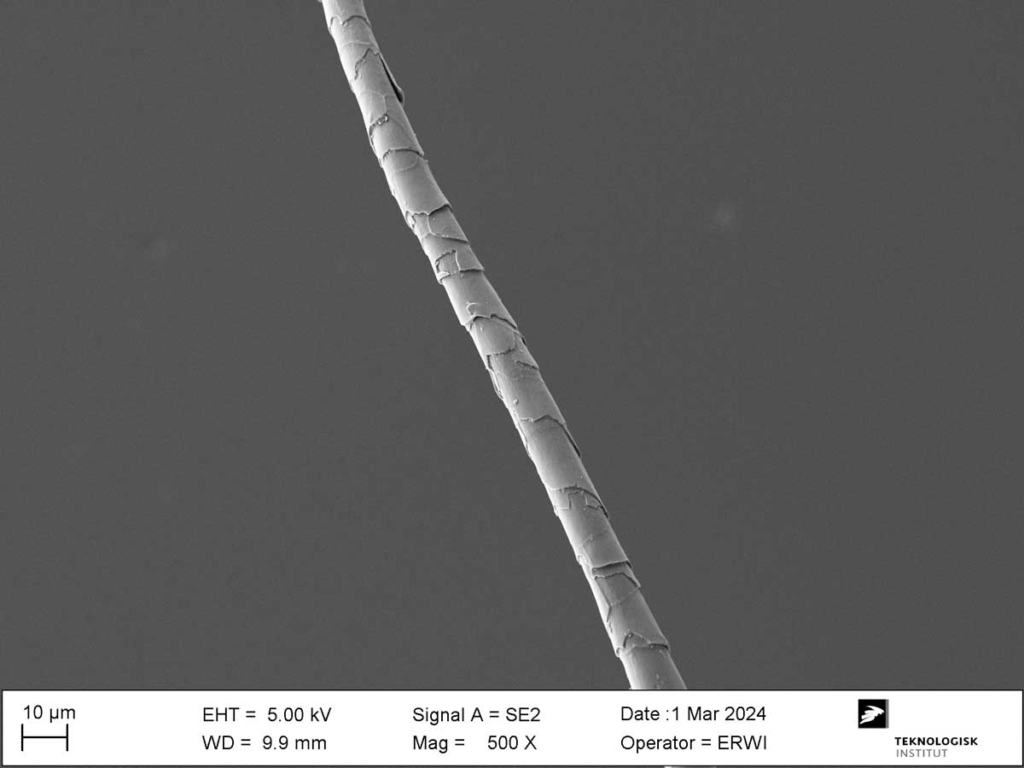
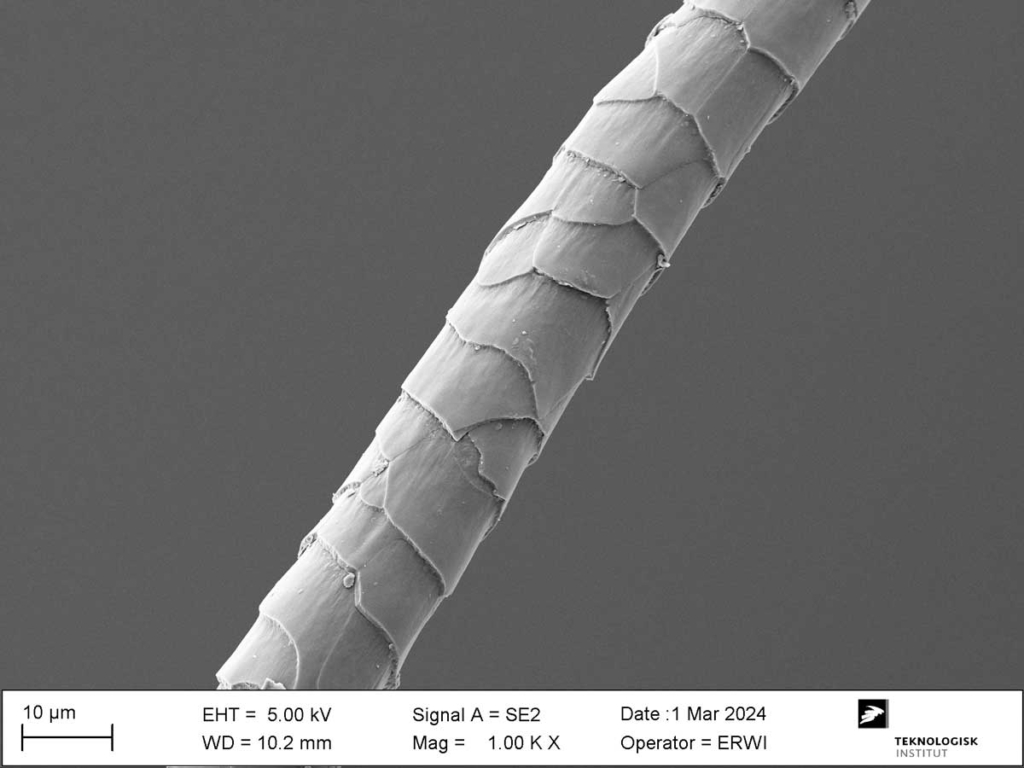
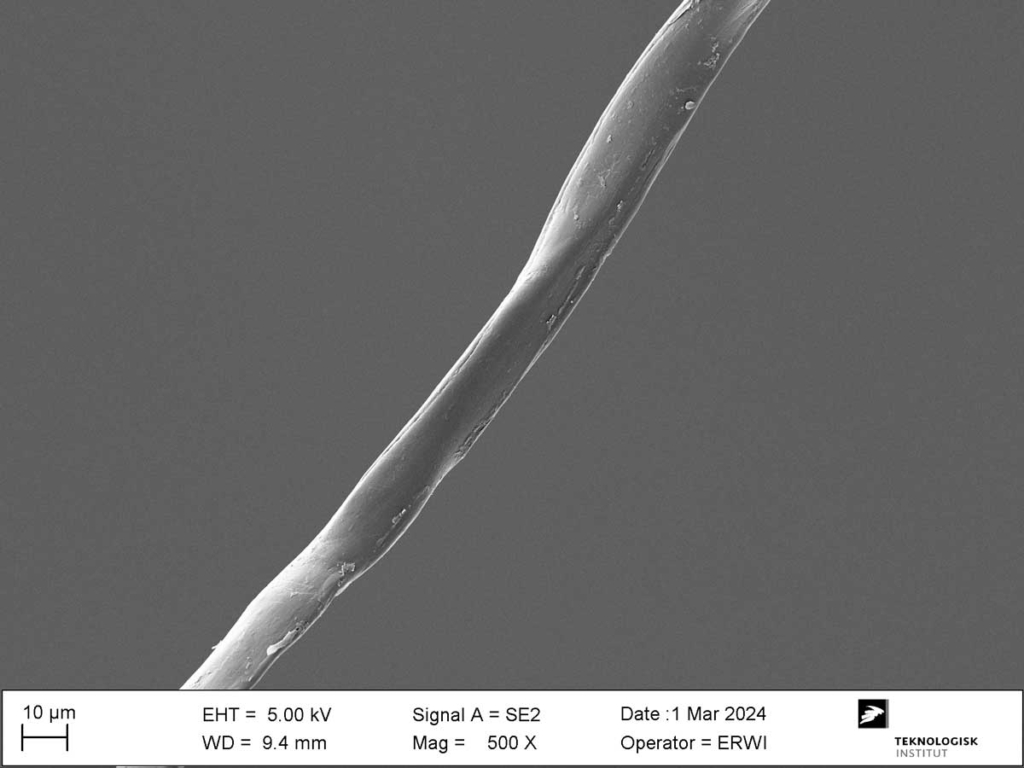
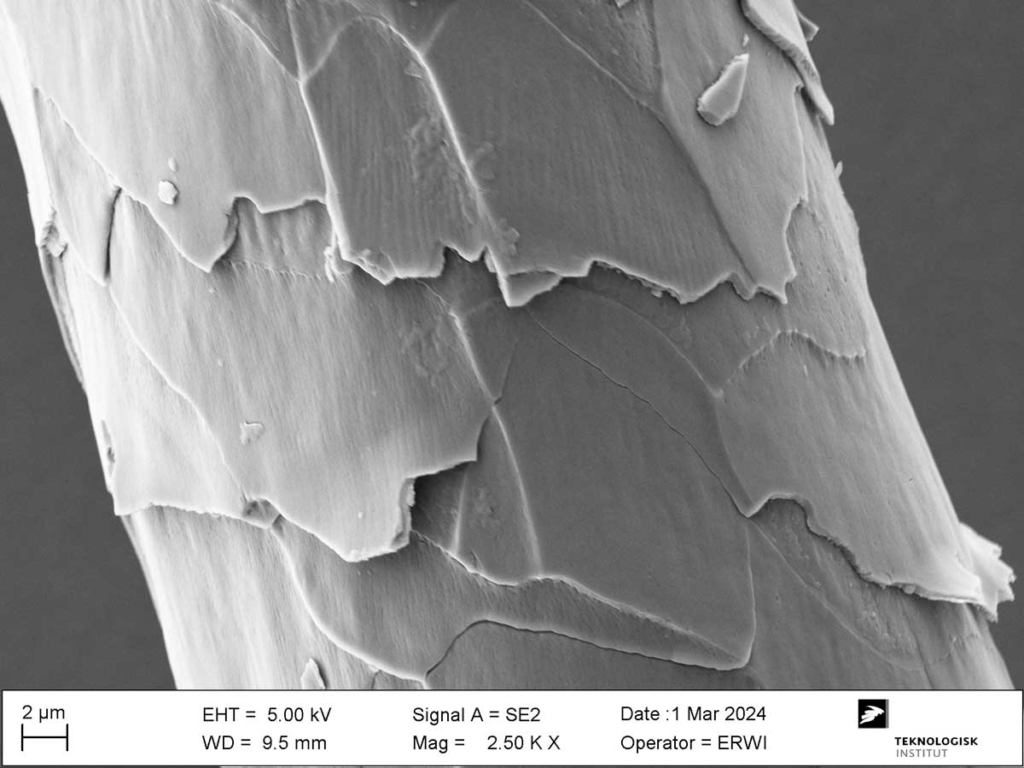
For this book, we asked the Danish Technological Institute to take microscopic images of our fabrics. Learn about the pros and cons of various natural fibers used in caps and hats. Read the book’s analysis of cap geography to get an overview of where the materials come from, as well as the complete photographic guide to the tools needed to start a cap-making business in 2026.
Livsstil
Lær om styling og brug af hovedbeklædning
How do you wear a cap, where can you get one, and how should it be cared for? The book’s goal is to help Danes make better use of headwear. Fortunately, the craft offers a level of detail and a wealth of tradition that have the potential to bring people and hats closer together.

Design
Uddrag om design af hovedbeklædning (side 30 – 60)
In the early 20th century, hats were commonplace. People would be noticed—and perhaps even frowned upon—if they went out in public without headwear. One had to respect the common norms. Today, hats and caps offer a sought-after opportunity to stand out. Among the masses, hats have now become an optional accessory, which puts a new spin on the very meaning of wearing headwear.
A short video showing how to make a handmade baseball cap in the hat shop’s own sewing workshop in Nørrebro. (2025)
Gloves go hand in hand with hats and are often sold in the same stores. Meet Rina Hansen, who will lead Randers Handsker into its next phase. (2021)


All About Wilgart
What does a cap maker do on a daily basis? In this book, you’ll find everything from practical tips to philosophical reflections. As Denmark’s only cap makers with nearly twenty years in the business, we share our experiences, thoughts, and insights. The book is a scrapbook of notes and details about our craft.
Sådan startede Wilgart
Wilgart danmarks eneste kasketmager siden 2010
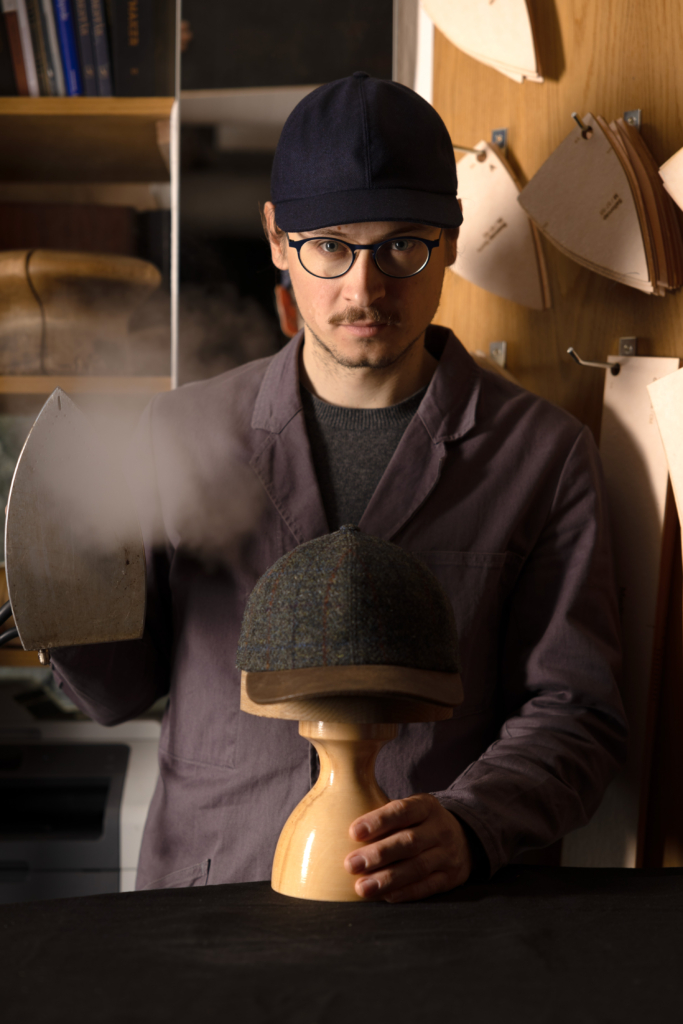
During my early days with the master, I stood for long periods at the steam iron with fogged-up glasses and sweat running down my cheek. Later, I was allowed to learn, little by little, how to sew a cap. And ever since those early days in a cap-making workshop, I’ve pursued my dream of making a living as Denmark’s—and perhaps the Nordic region’s—only cap maker.
That is how Silas Skram, after completing his apprenticeship in Germany, started his first cap-making workshop in a small basement in Copenhagen’s Nordvestkvarter neighborhood. (2015)
POV video from the hat-making workshop of Master Bullani in Germany and apprentice Wilgart in Denmark (2018)
Køb bogen her
Forkæl dig selv eller giv bogen som gave
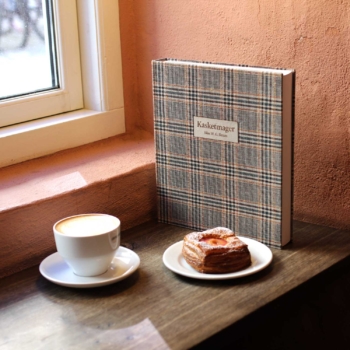
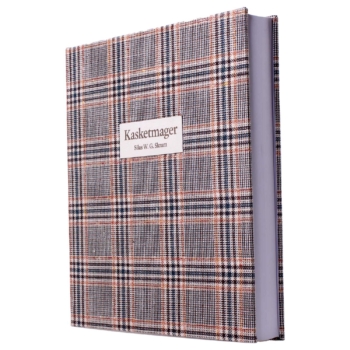
The book is published in Danish and is available in a standard hardcover edition and an exclusive full-cloth edition made of wool, silk, and linen. Kasketmager is also sold wholesale to lifestyle shops, bookstores, and clothing stores. Contact Wilgart directly by email or phone if you’d like to resell the book.
Detaljer om udgivelsen
Design, håndværk, livsstil og fremtid
Pages: 335
Publication date: 10/30/2026
Language: Danish
ISBN: 978-87-7623-305-1
Publisher: Frydenlund
Format: 25 x 29 cm / Hardcover, half-leather binding
Weight: approx. 2 kg